LI
/// Service

Crawl Space Repair

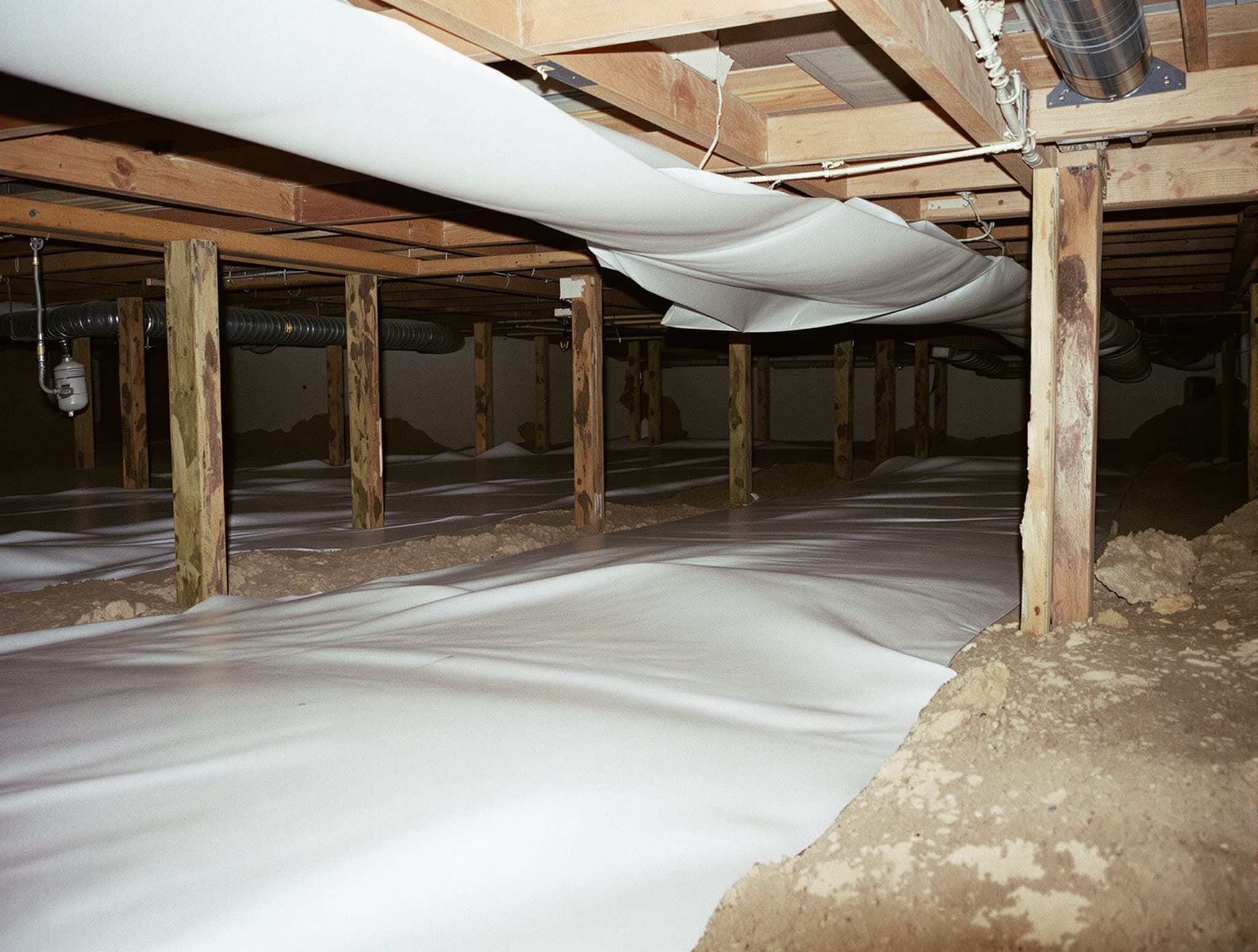
Long Island crawl spaces trap moisture from the island's high water table and humid coastal air, creating conditions that rot floor joists, corrode hardware, and grow mold that migrates into living space. Homeowners notice sagging or bouncy floors, musty odors on the first floor, and increased heating costs from uncontrolled air exchange. We address both the moisture problem and the structural damage it causes: 20-mil reinforced vapor barriers sealed to piers and walls, closed-cell foam vent sealing, commercial dehumidifiers sized to cubic footage, adjustable steel support posts for sagging joists, and joist sistering where rot has compromised structural lumber. Nassau and Suffolk homes built from the 1950s through the 1970s are the most common candidates. Most crawl space encapsulation and repair projects complete in two to four days, with costs typically between $3,000 and $12,000.

/// What's included

Engineered. Documented. Warrantied.

  • 0120-mil reinforced vapor barrier sealed to piers and walls
  • 02Adjustable structural support posts for sagging joists
  • 03Joist sistering and plate repair where rot is present
  • 04Dehumidifier sized to cubic footage and average RH
  • 05Closed-cell foam vent sealing — no more humid outside air
Crawl Space Repair
/// Typical investment
$3,000 – $12,000 typical
Exact number after on-site assessment.
/// Process

4 Steps. No Theatre.

01

Scope

Full crawl walk with moisture readings, joist condition notes, and structural measurement.

02

Plan

Written scope — what gets encapsulated, what gets structural repair, what gets air control.

03

Install

Debris-out, barrier-in, seal all penetrations, add support posts, hang dehu.

04

Monitor

Moisture readings at 30 days to verify the space stays under 55% RH year-round.

/// Questions

FAQ.

01Do I need full encapsulation?+
Depends on moisture source. Some crawls need just a vapor barrier and a dehu; others need full sealed encapsulation. We measure before we recommend.
02Will my floors stop sagging?+
If the sag is from soft joists or failed posts, yes — sistering and new adjustable support posts bring floors back to level over 30 days of incremental adjustment.
03How much does crawl space repair cost on Long Island?+
Crawl space encapsulation with a 20-mil vapor barrier and dehumidifier for a typical Long Island home runs $3,000–$7,500 depending on square footage and access difficulty. If structural repairs are also needed — adjustable support posts or joist sistering for rot — add $2,000–$5,000. Full encapsulation plus structural work on a problematic Nassau or Suffolk crawl space typically runs $6,000–$12,000. We quote after a full crawl walk with moisture readings and structural measurement.
04Do I need a permit for crawl space encapsulation on Long Island?+
Standalone vapor barrier and dehumidifier installation does not require a building permit in most Nassau and Suffolk towns. Structural repairs involving new support posts or joist sistering may require a building permit depending on the town. We evaluate permit requirements on every job and handle all filings — Town of Hempstead, Town of Islip, Town of Smithtown, and others all have different thresholds for what triggers a permit.
05What are the signs of a failing crawl space on Long Island?+
Key indicators: bouncy or soft floors on the first floor, musty odors that worsen in humid summer months, visible mold on floor joists or subfloor when you look into the crawl, increased heating and cooling costs from uncontrolled air exchange, and condensation on basement walls adjacent to the crawl. Long Island's coastal humidity and high water table make crawl spaces particularly vulnerable — the combination of ground moisture and warm summer air creates ideal conditions for wood rot and mold growth.
06How does Long Island's climate affect crawl spaces?+
Long Island sits in Climate Zone 4A with significant coastal humidity. Vented crawl spaces in Nassau and Suffolk County bring in humid outside air during summer, which condenses on cooler structural wood — especially in homes within a few miles of the bay or ocean. The island's high water table (as shallow as 3–5 feet in parts of Nassau's south shore) means ground vapor pressure is continuous. Modern best practice is to seal the crawl, install a thick vapor barrier sealed to all surfaces, and condition the space with a dehumidifier — eliminating the humidity source rather than just managing it.
/// Book

Free Assessment.
Engineered Report.

A LI Foundation Co. tech will be on-site within a week. Assessment is free, report is included, no pitch at the end.

(516) 529-6996
/// Request

Assessment Request

No sales pitch. No “today only” nonsense. We call back within 4 business hours. Prefer to talk? (516) 529-6996