Foundation Repairon Long IslandNassau & Suffolk County
Trusted for foundation repair on Long Island since 2008. Leaning basement wall repair, bowing wall reinforcement, basement wall crack repair, settlement piers — we're a Copiague crew that fixes Long Island foundations the right way. Carbon fiber strap installation in Nassau County and Suffolk County, helical piers, real engineering. 2,100+ homes stabilized. We don't paper over cracks.
Seven Foundation
Fixes. Every Day.
We don't do roofs, kitchens, or additions. We stabilize foundations, stop water, and document it with engineered drawings.
Foundation Crack Repair
We read every crack before we pick a fix. Vertical hairline in a settled wall gets epoxy injection. Horizontal or stair-step crack in an active wall gets carbon fiber or piers — injection alone will fail. Written diagnosis on every job.
Basement Wall Repair
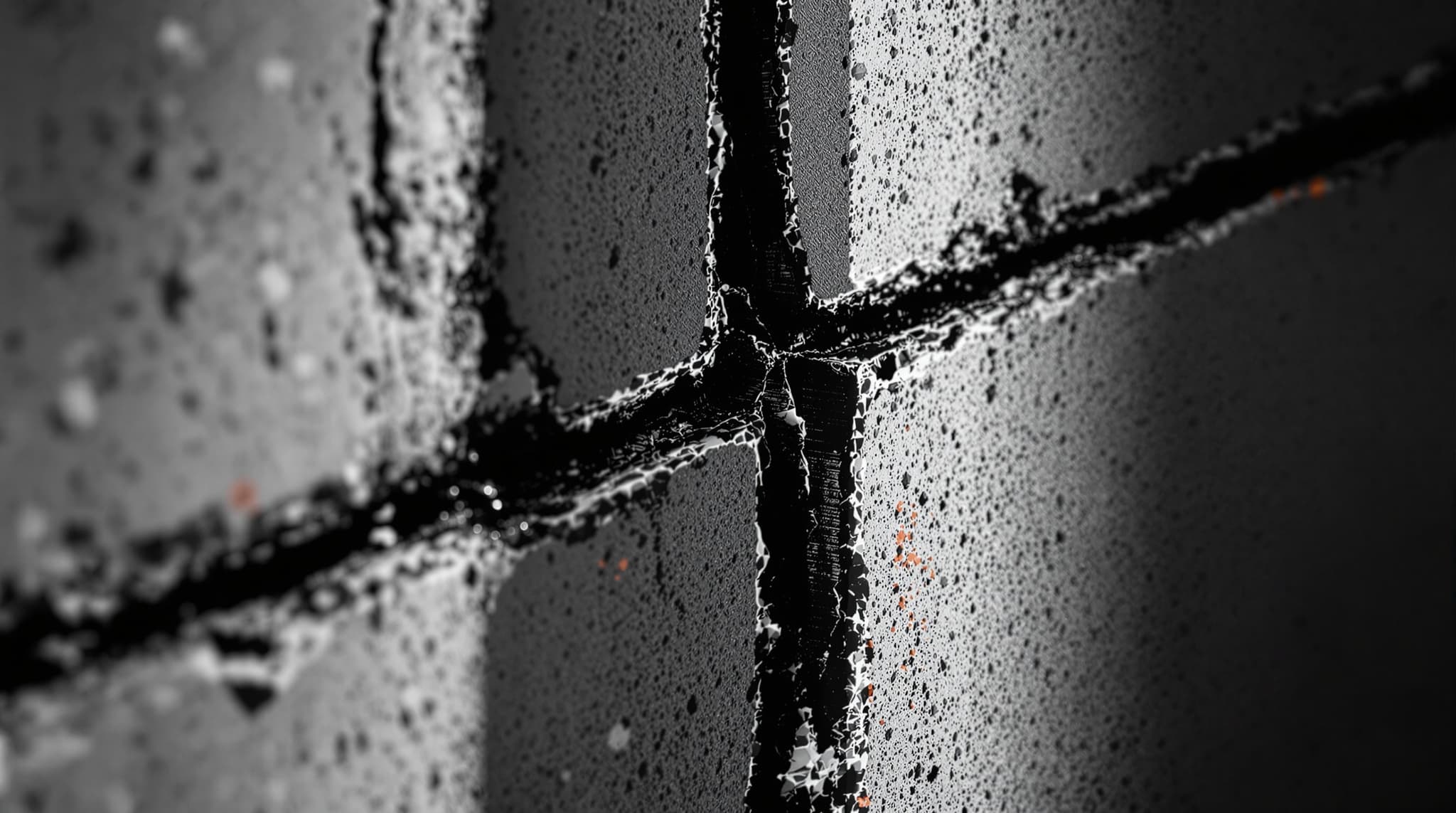
Bowing, leaning, or cracked basement walls are a structural emergency. We stop inward movement with carbon fiber straps on mild bows and full steel wall-anchor systems on severe cases. Every system engineered for actual soil pressure.
Helical & Push Piers
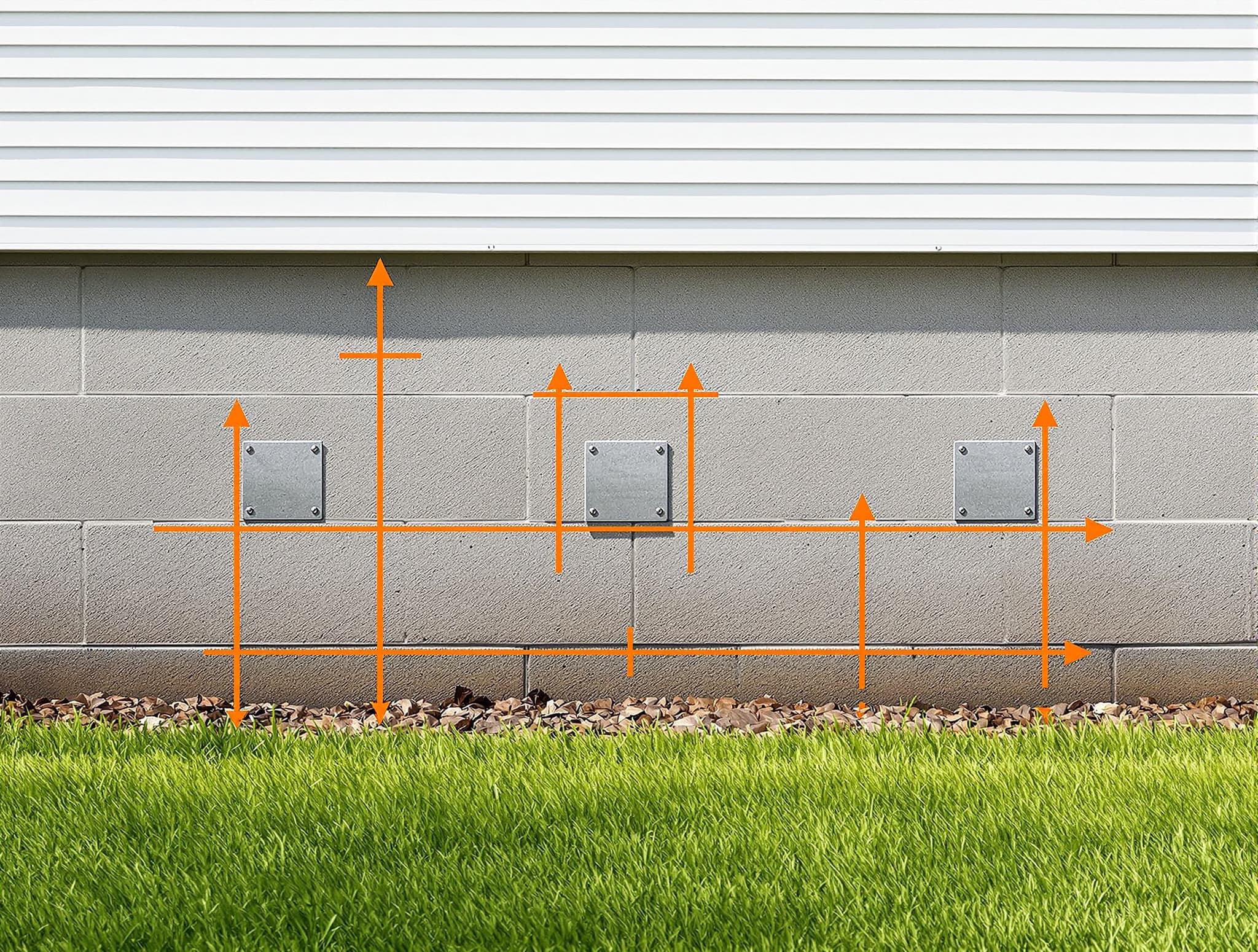
When a foundation is settling, piers are the permanent fix. Supportworks-certified dealer. Every pier engineered to load-capacity, hydraulically installed to load-bearing strata, lifetime warranty that follows the home when you sell.
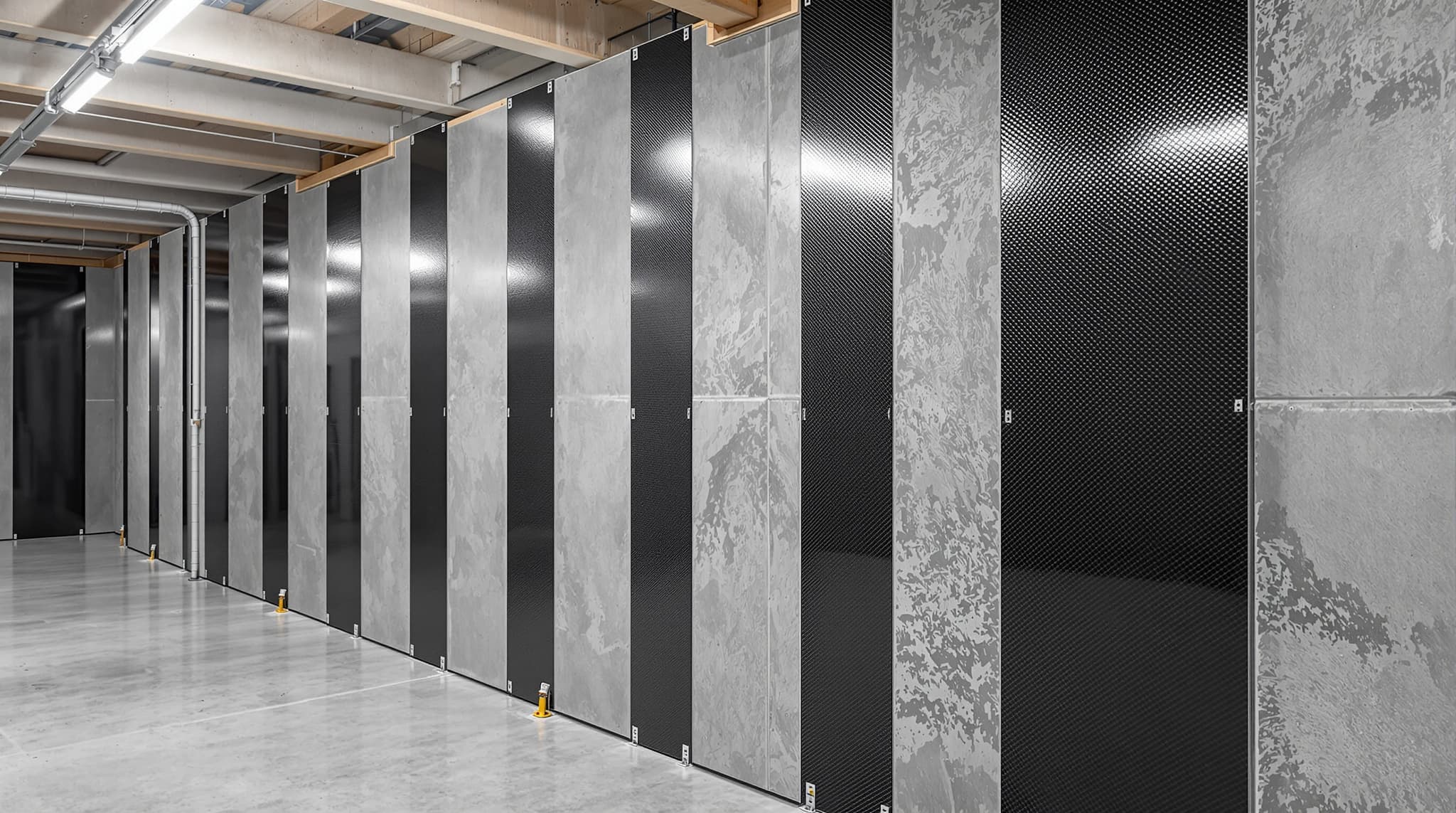
Carbon Fiber Wall Reinforcement
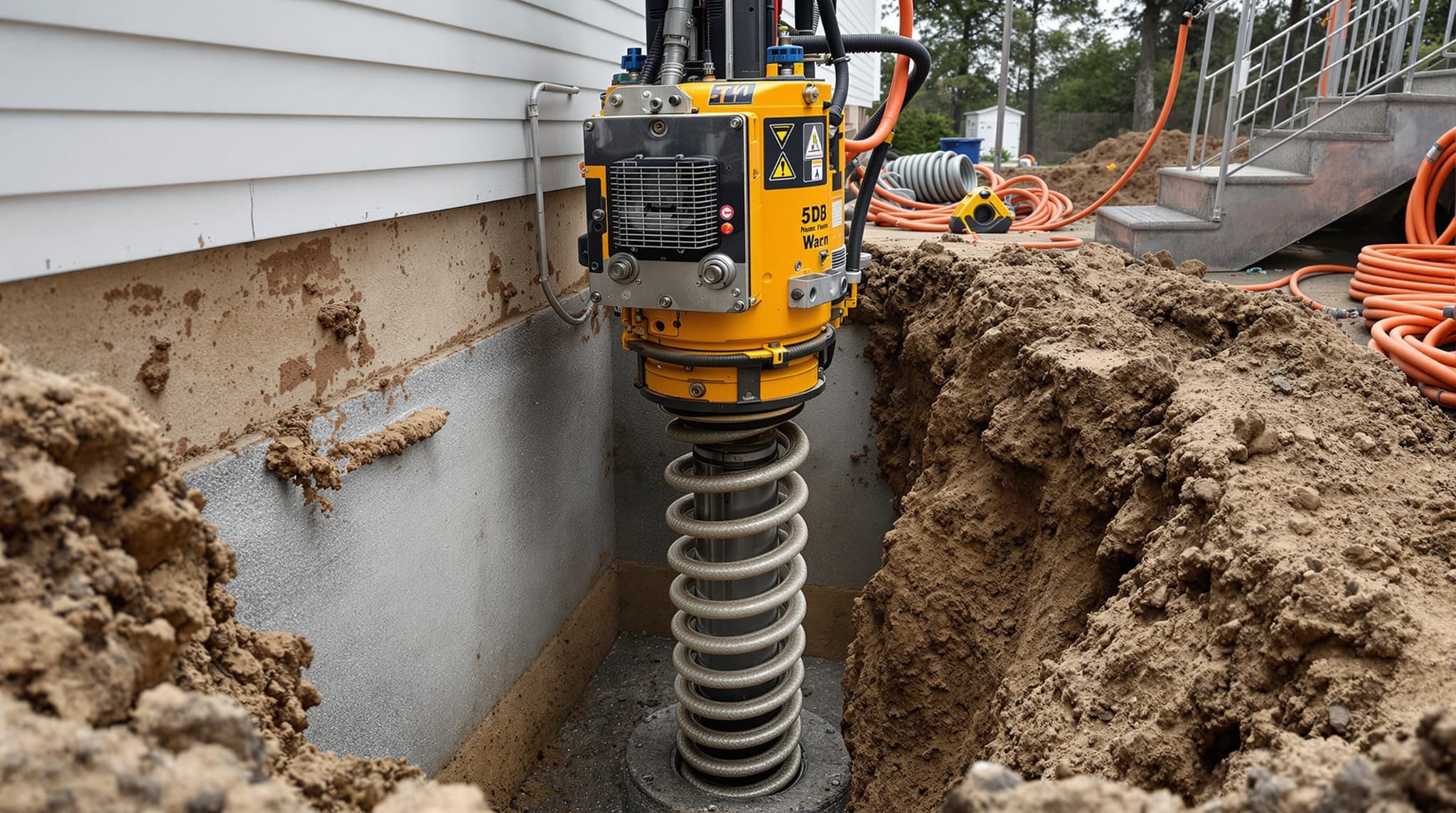
Ten times stronger than steel by weight, bonded permanently to concrete with structural epoxy. For bowing walls under 2 inches of deflection, the cleanest, fastest, most permanent repair. No excavation. Done in a day.
Foundation Waterproofing
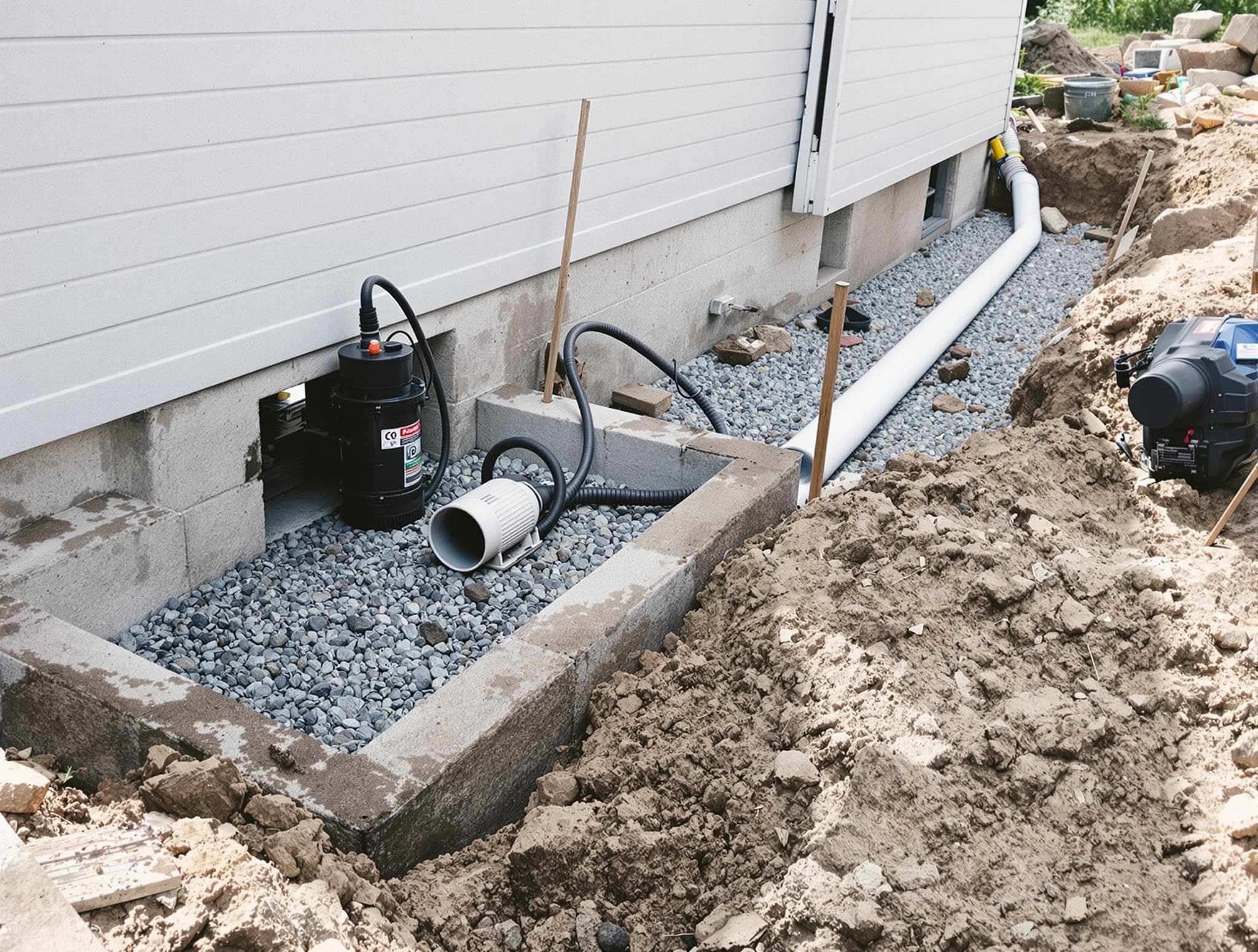
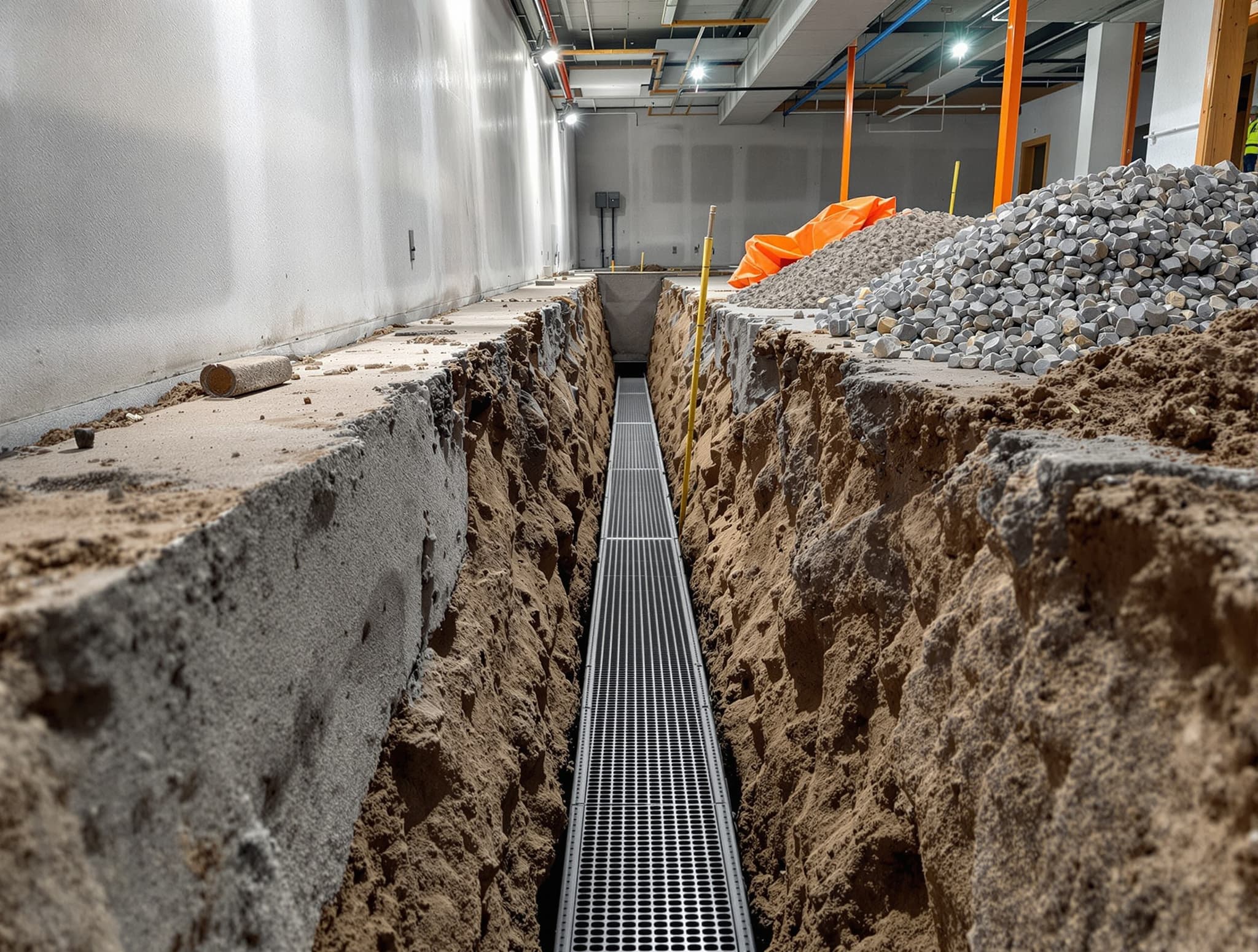
Interior French drain, exterior membrane, sump systems, and vapor barriers. We solve the water problem so the structural problem doesn't come back. Paired with hydrostatic-pressure analysis and written guarantee against seepage.
Crawl Space Repair
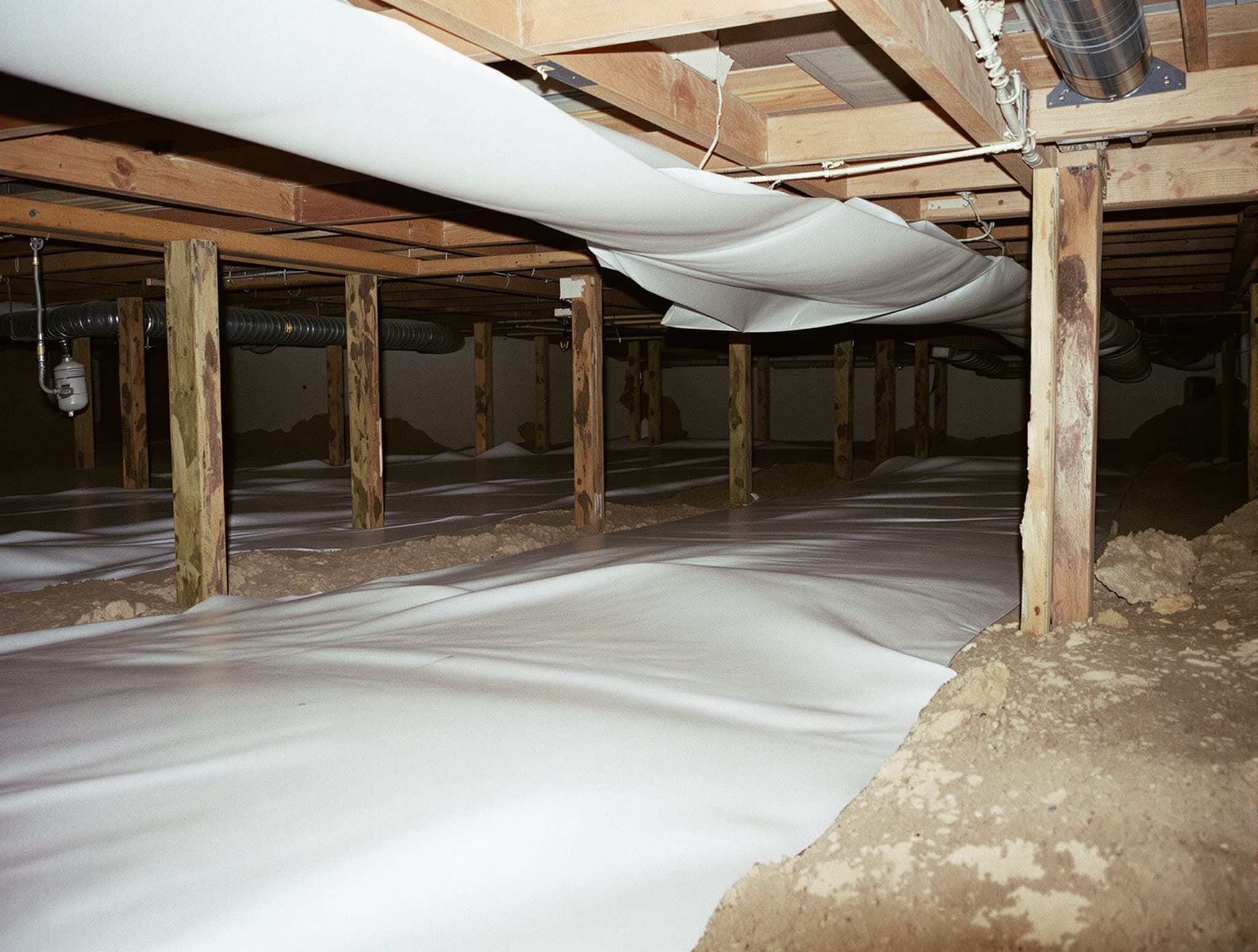
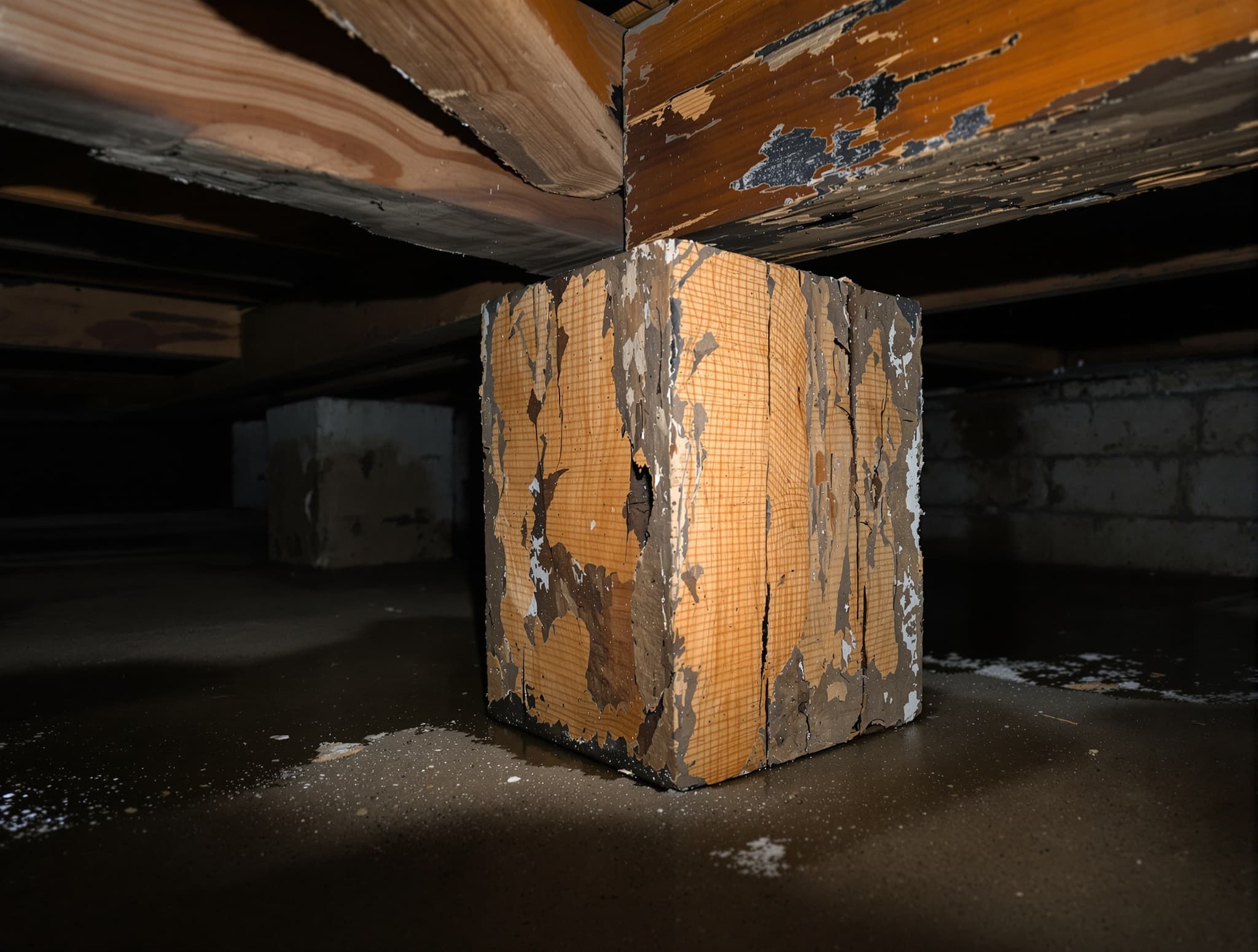
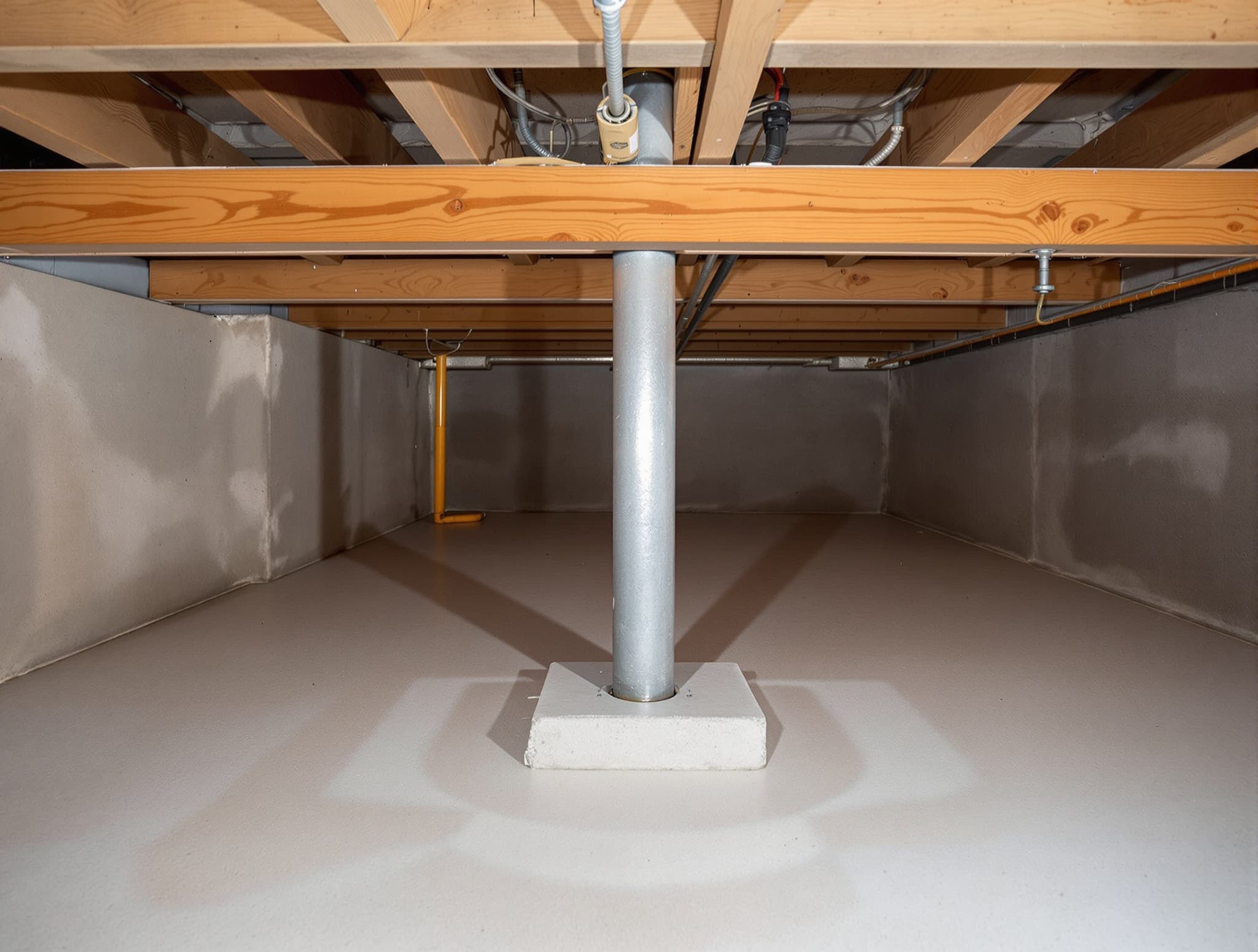
Encapsulation, vapor barriers, support posts, joist sistering, and moisture control. Long Island crawl spaces rot framing and destroy air quality — we seal, support, and ventilate them correctly the first time.
Settlement Repair
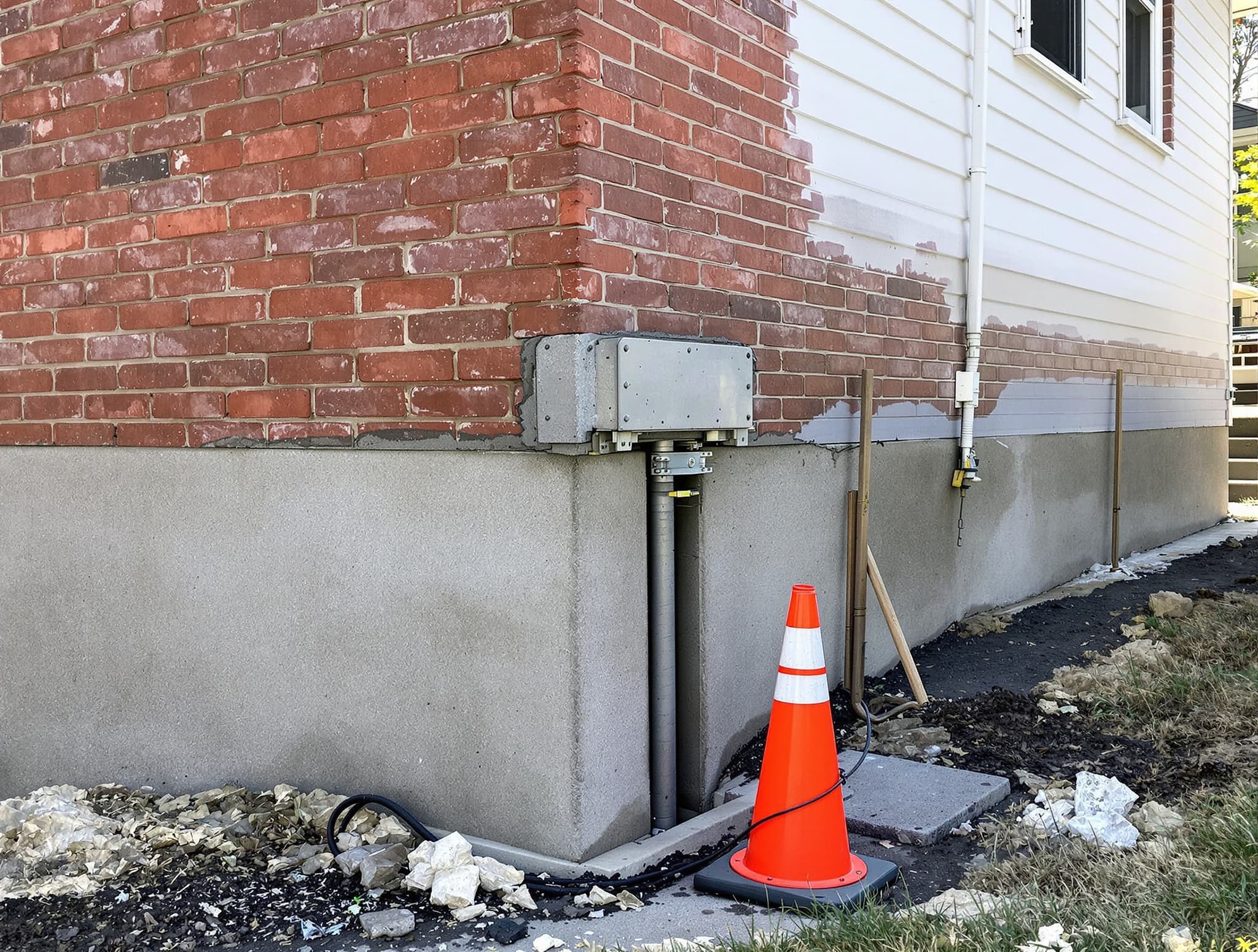
Sticking doors, sloped floors, stair-step brick cracks — all signs of differential settlement. We diagnose the underlying soil condition, design a pier system to the load, and lift the structure back toward original elevation.
The Guy With the PE
On Speed Dial.
Sal Benedetto started this crew in 2008 after watching neighbors lose thousands on crack injections that failed within a winter. Today we run 16 structural crew and a licensed Professional Engineer on staff — so your repair is engineered, not guessed.
Engineered. Documented.
Warrantied.
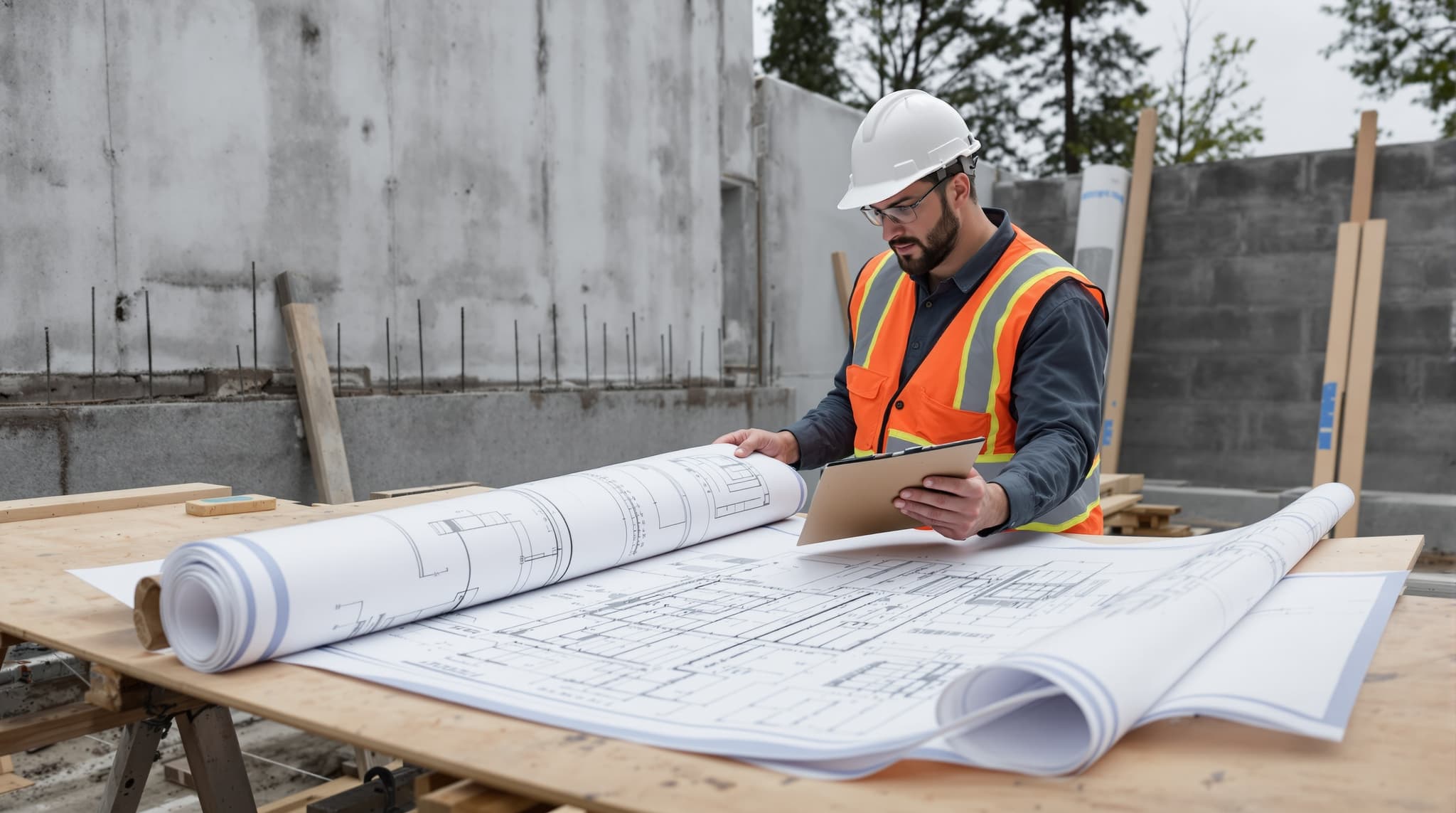
PE on staff. Every repair engineered.
A licensed New York Professional Engineer reviews every non-trivial repair and signs the plan. Your repair is engineered, not guessed.
Supportworks-certified dealer.
ICC-ES code-compliant piers, tested load capacity, lifetime warranty that follows the home when you sell.
We tell you when you don't need us.
About 18% of homeowners who call have cosmetic cracks that need monitoring, not repair. We'd rather lose a $500 injection job than sell you a $20K pier system you didn't need.
Licensed, insured, fully backed.
Nassau HIC #H5165296996. Suffolk HIC #61442-H. $2M GL. Workers comp on every man. Supportworks certified. BBB A+.
Sal answers. Maria answers.
No call center. No chatbot. 7am–6pm Mon-Sat you get Maria in the office or Sal on the job. Nights and weekends leave a message.
The crew lives here.
Every structural tech lives on Long Island. We know the soil — glacial outwash on the south shore, dense clay on the north — because we've stabilized homes on both.
Real Repairs.
Documented.
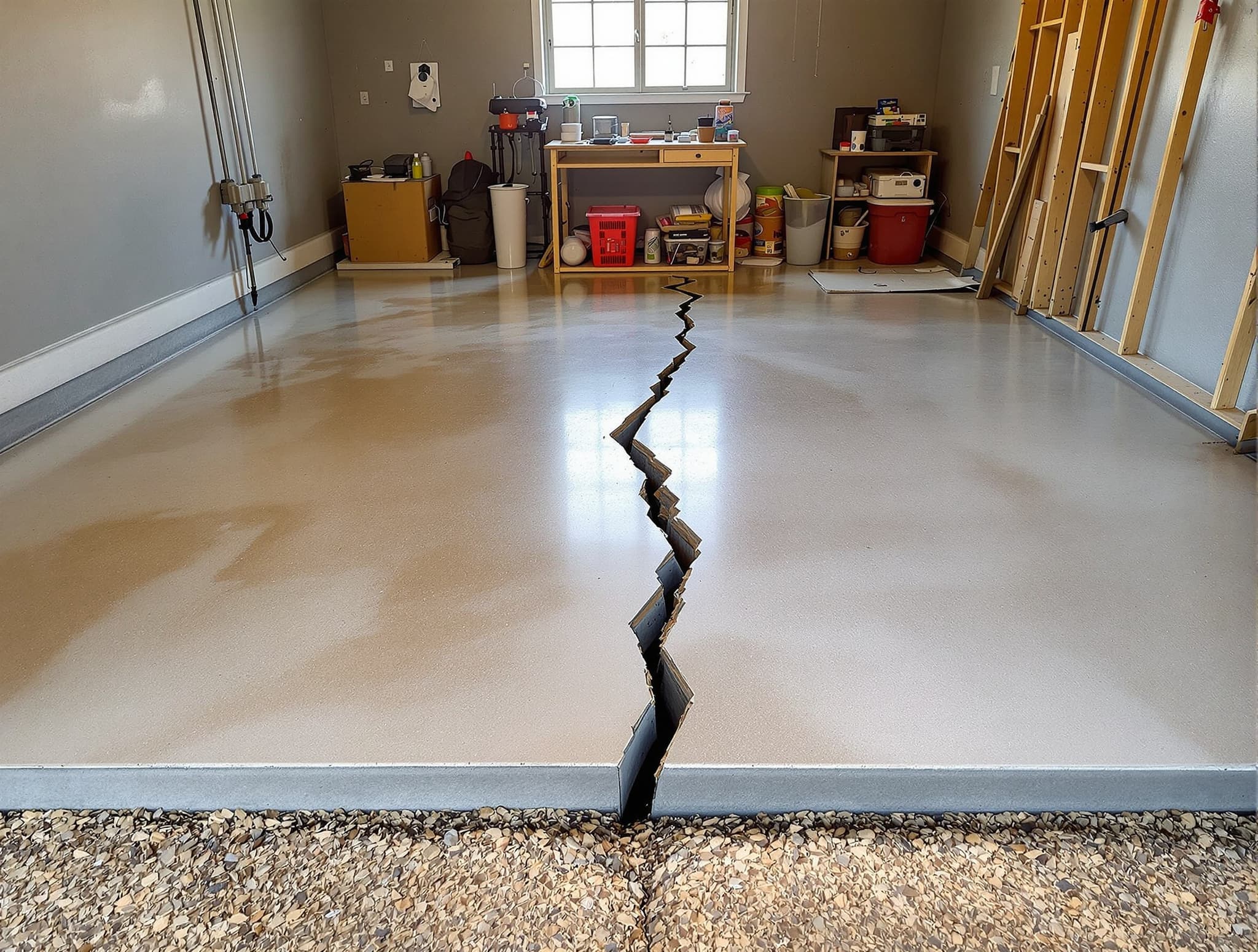
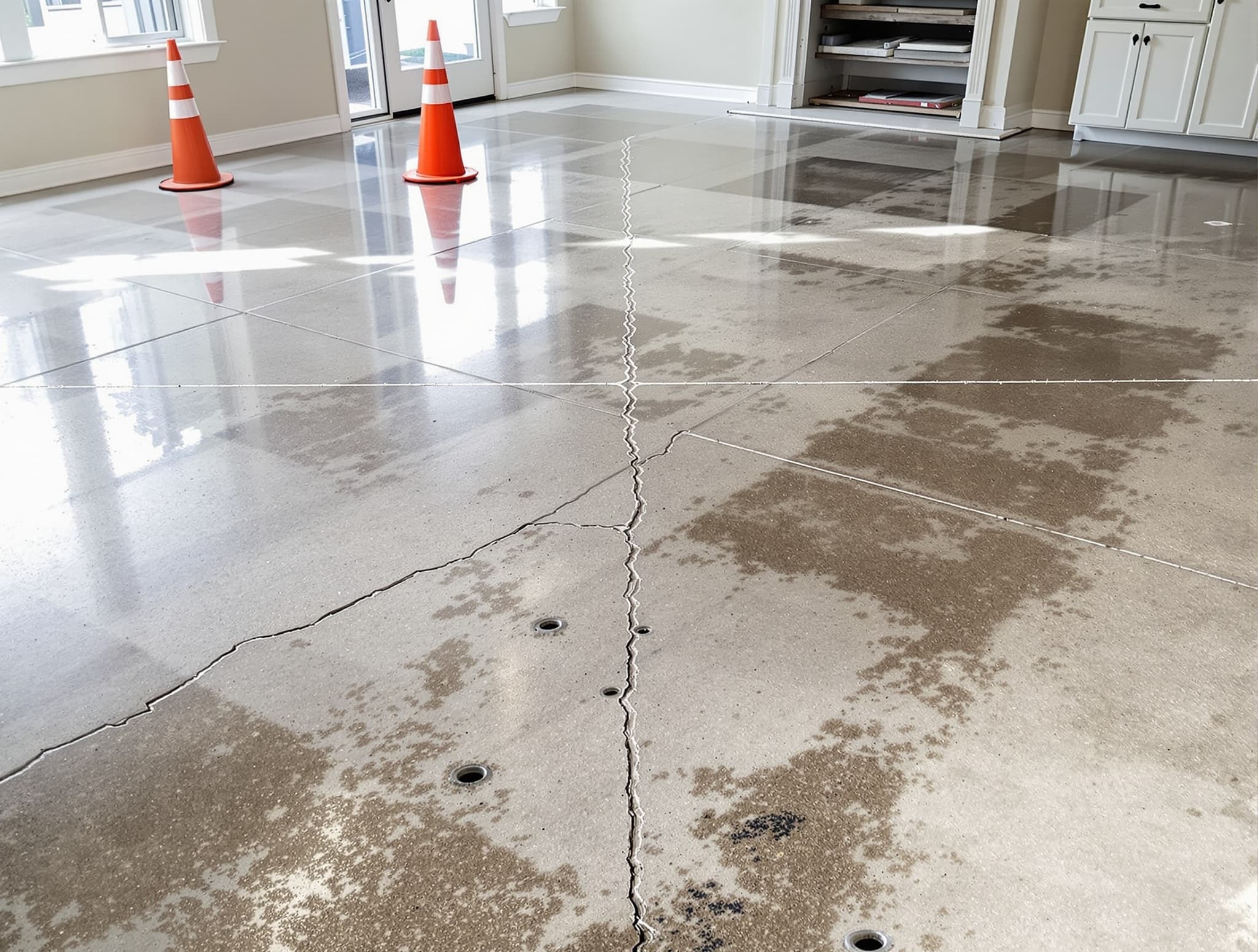
Every photo is a Long Island foundation we stabilized. Before the diagnosis. After the engineer signed off.
4.9★ · 214 Reviews
“Two other foundation guys quoted us crack injection for $3,500. Sal spent 40 minutes in the basement with a laser level and told us it was actual settlement — we needed piers, not injection. Saved us tens of thousands in eventual damage.”
“Our 1952 Levittown cape had a basement wall bowing an inch and a half. Sal's team installed six carbon fiber straps in one day. No excavation, no mess. Two winters later and the wall hasn't moved a millimeter. The engineering report came stamped by their PE.”
“We tried two waterproofing companies before LI Foundation Co. Both just moved water around. Sal designed an interior French drain with twin sumps — bone dry through Ida, two nor'easters, and last March's flooding. Completely different league.”
Nassau + Suffolk.
That's the Map.
Nassau County
Hempstead · Freeport · Oceanside · Levittown · Baldwin · Hicksville · Long Beach · Massapequa · + every town in between.
Suffolk County
Copiague · Babylon · Bay Shore · Islip · Patchogue · Huntington · Smithtown · Sayville · + every town in between.
Straight Answers.
01Who handles basement wall repair Suffolk County NY homeowners trust for structural problems?+
02How much does foundation repair cost on Long Island?+
03How do you repair a leaning basement wall on Long Island?+
04Does homeowners insurance cover foundation repair?+
05How do I know if my cracks are serious?+
06What's the difference between crack injection and engineered repair?+
07Are you really licensed and insured?+
08How much does foundation crack repair cost in Nassau County?+
09What causes foundation cracks in Nassau County homes?+
10Do you do foundation repair in Suffolk County?+
11How long does foundation crack repair take on Long Island?+
12Do you offer foundation repair on Long Island?+
13How much does foundation repair cost in Nassau County?+
14What are common foundation problems in Long Island homes?+
15Do you repair basement wall cracks in Suffolk County?+
16Do you offer free foundation inspections on Long Island?+
17Do you repair foundations in Nassau County, NY?+
18What causes basement wall cracks on Long Island?+
19Can you repair bowing basement walls in Suffolk County?+
20Do I need a Nassau County permit for foundation repair?+
21What makes Long Island soil so hard on foundations?+
22Do you do emergency foundation repair on Long Island?+
23What are the signs you need foundation repair on Long Island?+
24Do you repair bowed basement walls on Long Island?+
25What foundation crack repair methods do you use on Long Island?+
26How long does a typical foundation repair take on Long Island?+
Get a Real
Diagnosis.
Tell us your address and where the cracks or settling are. We'll call within 4 business hours to schedule an on-site assessment. The assessment is free. The engineer's written report is included. No pitch at the end.
- Free on-site structural assessment
- Written engineering-backed diagnosis
- No high-pressure sales tactics
- Financing available · decision in 60 seconds
Free Assessment Request
Foundation Repair Across Long Island —
Nassau & Suffolk County
Hempstead, Garden City & Mineola
Many homes in Hempstead, Garden City, and Mineola are post-WWII construction — poured concrete and CMU block foundations built in the late 1940s and 1950s that are now 75 or more years old. These foundations show early signs of cracking from decades of Nassau’s clay-heavy glacial till cycling through wet and dry seasons. Horizontal cracks along mortar joints in Garden City’s older Tudors and colonials are a consistent pattern we see every season. Nassau County Building Department permits for structural repair in the Town of Hempstead are handled entirely by our office — homeowners never visit 1 Washington Street.
Manhasset, Great Neck & North Shore Nassau
North Shore Nassau towns like Manhasset and Great Neck sit on dense glacial moraine — the same clay-rich soil that causes lateral wall pressure across Long Island’s north shore. Larger pre-war homes in these communities often have deeper basements and more complex foundation geometry, which means crack patterns are more varied. Stair-step cracking in brick and block is common where differential settlement occurs. We assess soil conditions at grade on every job — Great Neck and Manhasset homes frequently need pier systems for corner settlement, not just crack injection.
Huntington & Babylon — North Shore Clay Soils
Huntington and Babylon sit on Suffolk’s north shore glacial moraine — dense, clay-rich soil that expands dramatically when wet and contracts when it dries. This freeze-thaw and wet-dry cycle produces some of the highest rates of bowing and leaning basement walls on Long Island. Huntington Station, East Northport, and Cold Spring Harbor homes built in the 1960s and 1970s are among our most common north shore jobs. We see consistent patterns of horizontal cracking at mid-wall height in these block foundations — a direct sign of lateral soil pressure that carbon fiber straps or wall anchors address permanently.
Smithtown — Clay Soil & Ranch Home Settlement
Smithtown’s housing stock includes a large number of 1960s and 1970s ranch homes in Kings Park, Commack, and St. James — built on clay-heavy north shore soil with poured concrete or CMU block foundations. Freeze-thaw cycles cause both horizontal cracking from lateral pressure and corner settlement from differential soil movement. The north shore versus south shore distinction matters here: Smithtown’s north shore homes (Kings Park, Nissequogue) have clay soil that pushes walls; homes closer to the south end of town sit on sandier mixed fill that settles more than it pushes. We probe soil on every assessment and design the repair accordingly.
Basement Wall Crack Repair —
Nassau County & Long Island
Basement wall crack repair on Long Island requires reading the crack before choosing the fix. The type, direction, and width of a crack tell you what’s happening structurally — and choosing the wrong repair doesn’t just waste money, it can accelerate damage.
Vertical cracksrunning straight down a poured concrete wall are most often caused by concrete shrinkage during curing — they’re common in Nassau County homes built in the 1950s through 1970s and are usually sealed with epoxy injection. If the crack is stationary and dry, injection is the right call and typically costs $500 to $1,800.
Horizontal cracksat or near mid-wall height are a structural red flag. They indicate the wall is bowing inward under lateral soil pressure — Nassau County’s clay-heavy glacial till and Suffolk’s north shore clay are the primary culprits. These need carbon fiber straps (for walls under 2 inches of deflection) or wall anchor systems (for walls past 2 inches or still actively moving). Epoxy injection alone will not stop a wall that is actively moving.
Stair-step cracks in block or brick foundations follow the mortar joints diagonally — these usually indicate differential settlement where one corner or section is dropping independently. South shore Nassau and Suffolk towns with sandy outwash soils (Baldwin, Oceanside, Babylon, Bay Shore) see this pattern more often than north shore towns. Pier systems are the permanent fix.
Diagonal cracks radiating from window or door corners are typically caused by overburden pressure at a concentrated point — common around egress window openings and bulkhead frames. Depending on activity, these are treated with epoxy injection or carbon fiber overlay reinforcement.
For bowing walls, carbon fiber straps bonded with structural epoxy are ten times stronger than steel by weight — no excavation, done in one day, and the repair is permanent. For active seepage alongside cracks, hydraulic cement injection stops water while the wall is wet, followed by a waterproofing membrane on the interior face. We handle basement wall crack repair throughout Nassau County (Hempstead, Garden City, Mineola, Manhasset, Levittown, Massapequa) and Suffolk County (Huntington, Babylon, Smithtown, Islip, Hauppauge). Free on-site crack assessment, written diagnosis included.
| Crack Type | Likely Cause | Standard Fix | Urgency |
|---|---|---|---|
| Vertical hairline | Concrete shrinkage / settlement | Epoxy injection | Monitor / Low |
| Horizontal (mid-wall) | Lateral soil pressure — clay | Carbon fiber straps / wall anchors | Structural — Act Now |
| Stair-step (block) | Differential settlement | Pier systems / epoxy | Inspect Soon |
| Diagonal (corner) | Point load / overburden | Epoxy or carbon overlay | Inspect Soon |
| Active seepage crack | Hydrostatic pressure | Hydraulic cement + membrane | Structural — Act Now |
Crack diagnosis is included in every free on-site assessment. We tell you what you have, not just what we can sell you.
Nassau & Suffolk —
Different Soils. Same Crew.
Nassau County
Clay-heavy glacial till expands 10–15% when wet, pushing laterally against basement walls every winter. Nassau’s 1950s housing stock — Garden City colonials, Levittown capes, Massapequa ranches — shows horizontal cracks from this cycle. South shore towns (Baldwin, Oceanside, Valley Stream) sit on a water table 4–8 feet below grade, so crack repair often pairs injection with drainage.
Structural work requires a Nassau County Building Department permit (1 West Street, Mineola). We handle every filing — homeowners never appear at the building department.
Suffolk County
North shore (Huntington, Smithtown, Northport, Kings Park): dense clay moraine — highest rates of bowing walls on Long Island. South shore (Babylon, Bay Shore, Lindenhurst, Copiague): sandy outwash that settles under load — stair-step cracks and uneven floors. Central Suffolk (Commack, Dix Hills, Hauppauge): transition zone where we probe every lot.
Permits filed through the relevant Town building department (Huntington, Smithtown, Babylon, Islip, or Brookhaven). Timelines run 10–21 business days. We handle every filing and inspection schedule.
Foundation Repair Costs
on Long Island.
2026 pricing for Nassau and Suffolk County. Every project gets a free on-site assessment and written fixed-price quote before work begins.
| Repair Type | Price Range | Timeline | Best For |
|---|---|---|---|
| Crack Injection (Epoxy) | $500 – $1,800 | Same day | Single settled vertical crack, no active movement |
| Crack + Drainage Fix | $1,200 – $4,500 | 1–2 days | Active cracks with seepage in Nassau south shore |
| Carbon Fiber Straps | $650 – $1,100/strap | 1 day | Bowing wall under 2" deflection, no excavation |
| Wall Anchor System | $4,000 – $15,000 | 2–3 days | Severe bowing past 2", actively moving walls |
| Helical/Push Piers | $1,800 – $3,000/pier | 2–5 days | Settling foundations, 4–10 piers typical |
| Interior Waterproofing | $4,500 – $15,000 | 3–5 days | French drain + sump, wet basements |
| Crawl Space Encapsulation | $3,000 – $12,000 | 2–4 days | Moisture control, joist rot prevention |
Prices reflect Nassau County (11550, 11530, 11758, 11756) and Suffolk County (11743, 11787, 11702, 11706) averages. Actual pricing varies by site conditions. Free assessment required.
Foundation Crack Repair
Nassau County — FAQ.
How do I find a foundation crack repair contractor in Nassau County?
Look for three things: (1) Active Nassau County HIC license — verify at the county's contractor lookup tool at nassaucountyny.gov. (2) Structural PE or Supportworks certification on staff — crack diagnosis should be an engineering call, not a sales pitch. (3) Written fixed-price quotes, not hourly billing. LI Foundation Co. holds Nassau HIC license, has a licensed PE on staff, and gives every Nassau County homeowner a written fixed-price estimate after a free on-site assessment. We cover every Nassau County town from Hempstead to Oyster Bay, and most of the incorporated villages.
What's the difference between foundation crack repair in Nassau County vs. Long Island generally?
Nassau County's foundation crack repair market has two specific conditions that don't apply everywhere on Long Island: (1) The county's clay-heavy glacial till expands 10–15% when saturated, which generates lateral wall pressure every winter — this causes horizontal and stair-step cracking in block foundations even in relatively newer homes. (2) The south shore water table (Baldwin, Oceanside, Valley Stream, Lynbrook) rises within 4–8 feet of grade after major storm events, putting hydrostatic pressure on poured concrete foundations. Foundation crack repair in Nassau County often requires combining crack injection with drainage work rather than injection alone.
How long does foundation crack repair take in Nassau County?
Epoxy crack injection for a single settled vertical crack: same-day completion, typically 2–4 hours. Carbon fiber strap installation for a bowing wall: 1 day per wall. Wall anchor systems for severely bowed walls: 2–3 days. Helical or push pier systems for settlement: 2–5 days depending on pier count (4–10 is typical). Interior waterproofing with French drain and sump pump: 3–5 days. Nassau County structural foundation work requires a building permit — we file through the Nassau County Building Department at 1 West Street, Mineola, and permit review typically runs 10–14 business days. Crack injection (non-structural) does not require a permit.
Does foundation crack repair increase home value in Nassau County?
Addressing documented foundation cracks before listing a Nassau County home removes a common deal-killer in home sales. Buyers' inspectors flag all visible foundation cracks, and lenders may require remediation before approving a mortgage. Proactive foundation crack repair — documented with a PE-signed report — typically allows sellers to hold full asking price rather than accepting a buyer credit. The repair cost ($500–$4,500 for most Nassau County crack injection projects) is almost always less than the price concession buyers request when cracks are left unaddressed.
Basement Wall Crack Repair Long Island — Types, Causes & Cost
Basement wall crack repair on Long Island is not a one-size-fits-all job. The type of crack determines the repair method, and getting this wrong is expensive. Vertical settled cracks — hairline to 1/4 inch — from normal concrete shrinkage are sealed with low-viscosity epoxy injection ($400–$900 per crack). Horizontal cracks from lateral soil pressure — the most serious type — require carbon fiber strap installation ($4,000–$8,000 for 4–6 straps) or steel wall anchors in severe cases ($1,800–$3,200 per anchor). Stair-step cracks in block walls from differential settlement require helical piers or push piers to stabilize the footing ($3,500–$8,500 per pier, typically 4–8 piers per project).
What causes basement wall cracks on Long Island specifically:Nassau County's clay-heavy soil expands when wet and contracts when dry — this lateral pressure cycle is the leading cause of horizontal bowing and cracking on Nassau County foundations. Suffolk County's sandier soils offer less lateral pressure but contribute to erosion and undermining of footings, especially near the South Shore and North Fork. Homes in FEMA flood zones (coastal Babylon, South Shore Nassau, Fire Island ferry towns) face hydraulic pressure from storm surge and heavy rain that accelerates crack formation in poured concrete and block walls alike.
| Crack Type | Direction | Typical Cause | Repair Method | LI Cost Range |
|---|---|---|---|---|
| Shrinkage crack | Vertical, hairline | Normal concrete curing | Epoxy injection | $400 – $900 |
| Settled crack | Vertical, 1/8"–1/4" | Soil settlement under footing | Epoxy + helical piers if moving | $600 – $4,500 |
| Lateral pressure crack | Horizontal | Clay soil expansion (Nassau) | Carbon fiber straps | $4,000 – $8,500 |
| Severe bowing wall | Horizontal + bow | Hydrostatic/soil pressure | Steel wall anchors | $7,000 – $16,000 |
| Stair-step crack | Diagonal, block walls | Differential settlement | Helical piers + epoxy | $8,000 – $24,000 |
| Tie-rod holes leaking | Spot leaks | Failed rod seal (poured concrete) | Hydraulic cement plug | $300 – $600 each |
Foundation Waterproofing Cost Long Island
Foundation waterproofing on Long Islandcomes in two approaches: interior drainage systems and exterior waterproofing membranes. Interior systems — the most common on Long Island because they don't require excavation — install a perimeter drain channel at the base of the wall, direct water to a sump pit, and pump it out. Interior French drain installation in Nassau or Suffolk County runs $6,000–$14,000 for a standard basement perimeter, including a sump pump and pit liner. Dual-pump systems with battery backup run $8,000–$18,000.
Exterior waterproofing — excavating the foundation perimeter, applying a waterproofing membrane to the outside wall face, and installing a footing drain — is the right answer when the wall itself is compromised by hydrostatic pressure. Exterior waterproofing on Long Island runs $15,000–$45,000 depending on linear footage and access difficulty (finished landscaping, driveways, and adjacent structures increase the cost). We recommend exterior waterproofing when the wall is actively bowing or cracking from outside pressure, not just leaking.
Most Long Island homeowners choose interior waterproofing first — it's less disruptive, faster to install, and costs 60–70% less than exterior excavation. Both approaches come with a lifetime transferable warranty on our work. Free on-site assessment to determine the right approach for your specific wall conditions.